How Did the Ottoman Empire Treat Other Religions
The Ottoman government practiced a system of religious pluralism known as the Millet system wherein. How did the Ottoman Empire treat other religions.
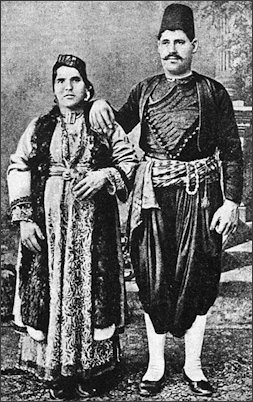
Ottoman Empire Minorities The Millet System And Slavery Facts And Details
With the rise of Imperial Russia the Russians became a kind of protector of the Orthodox Christians in the Ottoman Empire.
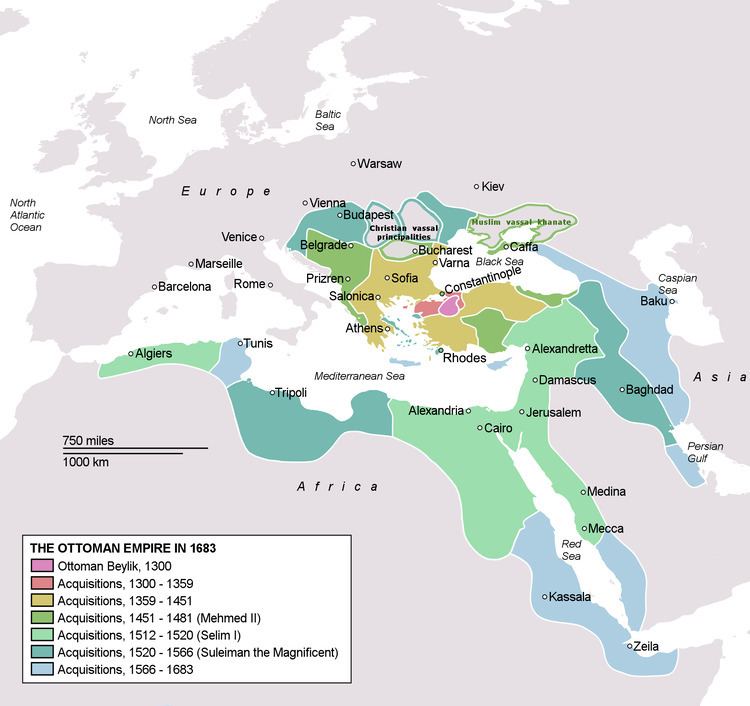
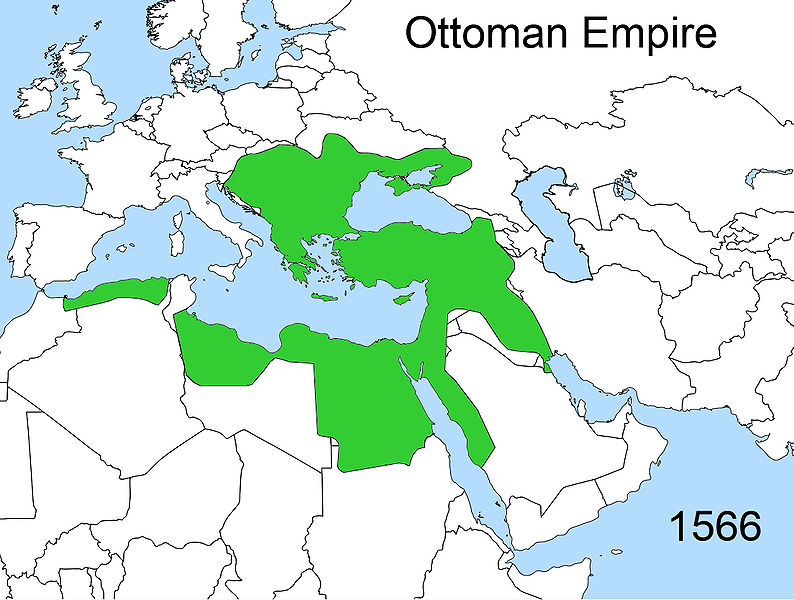
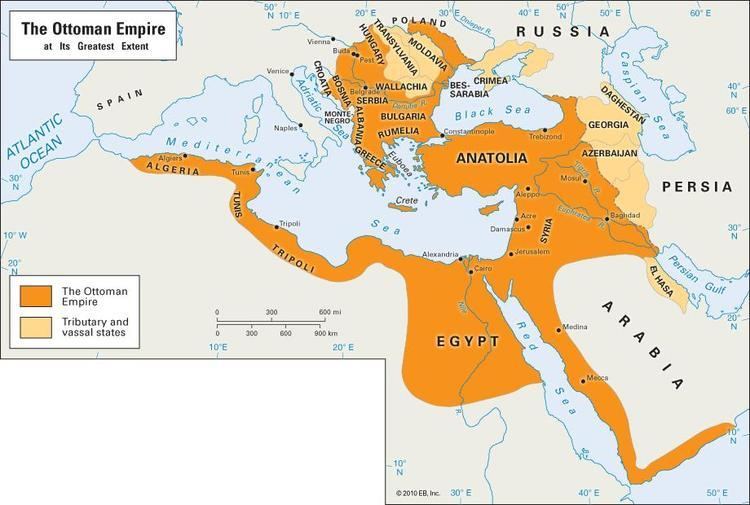
. The Ottoman Empire had a foundation built off Islamic beliefs. The Ottoman Empire began in 1299 with Muslim Turks who ruled over countries including Egypt Greece Hungary Israel and parts of North Africa. The empire also included parts of what are today Turkey and Georgia.
Due to the Ottoman ruling with religious tolerance and raising Jewish and Christian slave children to be Muslim speaking Turkish and swearing to the Ottoman Empire and its sultan. It offered them freedom of religion. Instead of being allowed to rule themselves according to their own rules all religious groups were forced to follow the same set of secular laws.
Although the government was definitively biased toward Islam other religions were not only tolerated but had distinct rights under Ottoman rule. How did religion affect the Ottoman Empire. Those who werent Muslim were categorized by the millet system a community structure that gave minority groups a limited amount of power to control their own affairs while still under Ottoman rule.
The Safavid Empire formed in Persia the region that is modern-day Iran in 1501. Ottoman practice assumed that law would be applied based on the religious beliefs of its citizens. Because Shiite Islam was the state religion Sunni Muslims fled the empire.
How non Muslims living in the Ottoman Empire were treated. Religious leaders were respected because they were depended upon during calamities and disasters. Under the Ottoman Empires millet system Christians and Jews were considered dhimmi under Ottoman law in exchange for loyalty to the state and payment of the jizya tax.
Ottoman practice assumed that law would be applied based on the religious beliefs of its citizens. The Ottomans were forced to guarantee vague rights to religious minorities which in fact limited their freedoms. Instead of being allowed to rule themselves according to their own rules all religious groups were forced to follow the same set of secular laws.
Non-Muslims paid a tax but they were allowed to practice their religion or convert to Islam. The Ottoman system was generally tolerant of non-Muslims who made up a significant minority within the empire. How did the Ottomans treat non-Muslims in their empire.
One for Muslims another for non-Muslims dhimmis involving appointed Jews and Christians ruling over their respective religious communities and the trade court. There were three court systems. Did the Ottoman Empire convert to Islam.
There were three court systems. Under Ottoman rule conversion to Islam took place in the Balkans in various forms often described as forced voluntary or conversion for convenience Islamic law however strictly forbade apostasy for Muslims who risked the death penalty. Under the Ottoman Empires millet system Christians and Jews were considered dhimmi meaning protected under Ottoman law in exchange for loyalty to the state and payment of the jizya tax.
In the Ottoman Empire there was religious tolerance because religion played a critical role in enhancing peace and stability. How did the Ottoman Empire treat other religions. Moreover religious leaders had a big role to play in ensuring that people lived in harmony.
How did the Ottoman Empire treat other religions. Conflict with its neighboring empires was continual as the Safavid Empire was Shiite and its neighbors were Sunni Muslims. Those who werent Muslim were categorized by the millet system a community structure that gave minority groups a limited amount of power to control their own affairs.
The Ottomans were forced to guarantee vague rights to religious minorities which in fact limited their freedoms. There were three court systems. The Ottomans were forced to guarantee vague rights to religious minorities which in fact limited their freedoms.
How did the Ottoman Empire treat other religions. The Ottoman Empire flourished because of their peace and respect to other cultures within their rule. The rulers were Muslim and a good amount of the citizenry was as well.
It offered them freedom of speech. Those who werent Muslim were categorized by the millet system a community structure that gave minority groups a limited amount of power to control their own affairs while still under Ottoman rule. Orthodox Christians were the largest non-Muslim group.
One for Muslims another for non-Muslims dhimmis involving appointed Jews and Christians ruling over their respective religious communities and the trade court. Religion had a great impact on trade in the Ottoman. How did the Ottomans treat other religions.
For nearly all of the empires 600-year existence these non-Muslim subjects endured systematic discrimination and at times outright persecution. The Ottoman Empire and Other Religions Most scholars agree that the Ottoman Turk rulers were tolerant of other religions. Under the Ottoman Empires millet system Christians and Jews were considered dhimmi meaning protected under Ottoman law in exchange for loyalty to the state and payment of the jizya tax.
Also know what role did religion play in the Ottoman Empire. Also how did the Ottoman Empire treat other religions. Regarding this how did the Ottomans treat other religions.
The Ottoman Empire is an interesting case study in religious tolerance particularly for the times. The Ottoman Empire and Other Religions Most scholars agree that the Ottoman Turk rulers were tolerant of other religions. Being Islamic however deprived rulers of the ability to force their religion upon others.
Officially the Ottoman Empire was an Islamic Caliphate ruled by a Sultan Mehmed V although it also contained Christians Jews and other religious minorities. Instead of being allowed to rule themselves according to their own rules all religious groups were forced to follow the same set of secular laws. This helped their empire thrive in more ways then ever.
Conversion to Islam in the. One for Muslims another for non-Muslims dhimmis involving appointed Jews and Christians ruling over their respective religious communities and the trade court. Up to 24 cash back Religions and Beliefs.
How did the Ottoman Empire treat other religions. Though Shah Ismail was originally Sufi he converted to Shia and declared the independence of the Savafid Empire from the Ottoman Empire when the Ottomans outlawed Shia and mandated Sunni Islam. The Ottomans tried to leave the choice of religion to the individual rather than imposing forced classifications.
Orthodox Christians were the largest non-Muslim group. The Ottoman Empire and Other Religions Most scholars agree that the Ottoman Turk rulers were tolerant of other religions. How did the Ottoman Empire treat other religions.
2
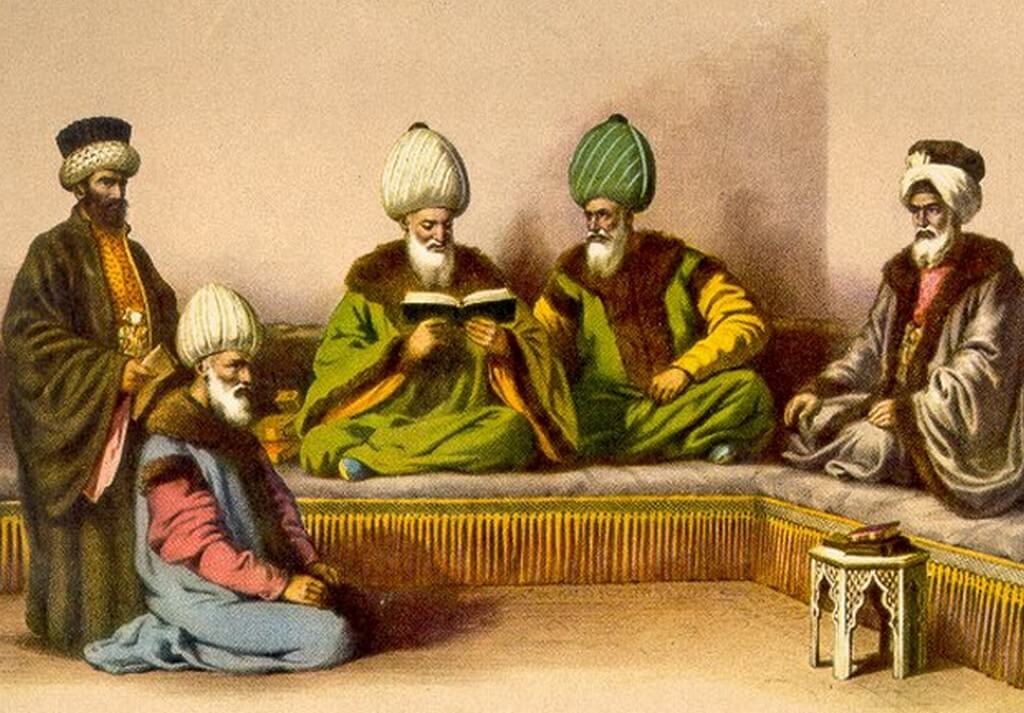
Rumi S Book Seven Of The Mathnawi Intra Sufi Debates In The Seventeenth Century Ottoman Empire Maydan
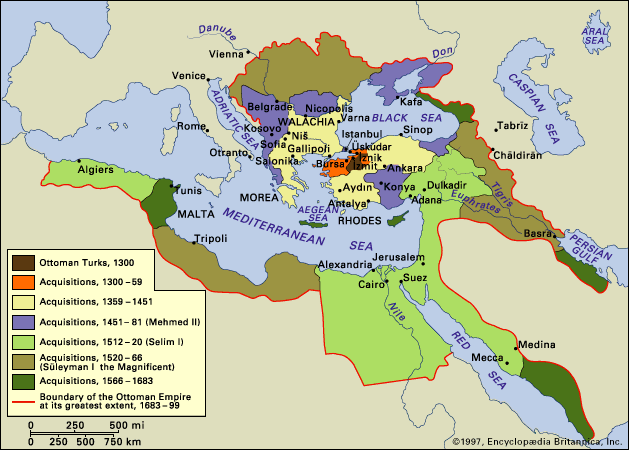
Rise Of The Ottoman Empire
Ch 2 L1 The Ottoman Empire
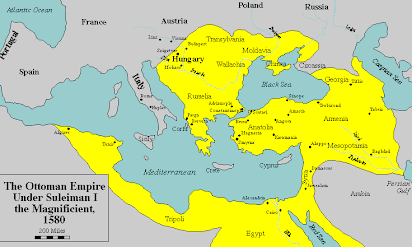
Unit 5 Lg 1 The Ottoman Empire Reading Questions

The Ottoman Empire And The Emergence Of Tolerance In The Dutch Republic Ballandalus
The Long Journey Of Gracia Mendes Chapter 7 The Ottoman Empire And The Jews Central European University Press
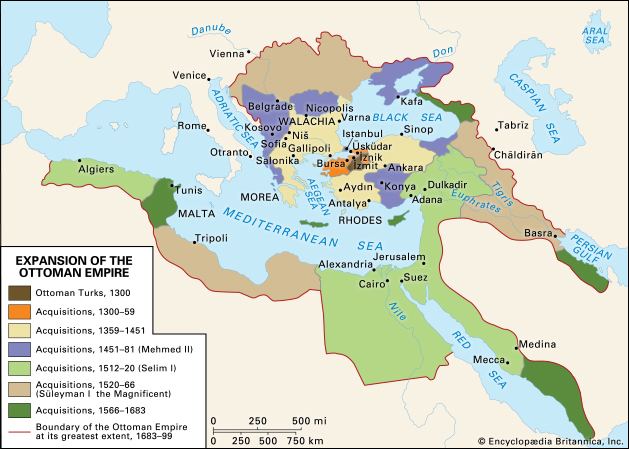
Ottoman Empire Alchetron The Free Social Encyclopedia
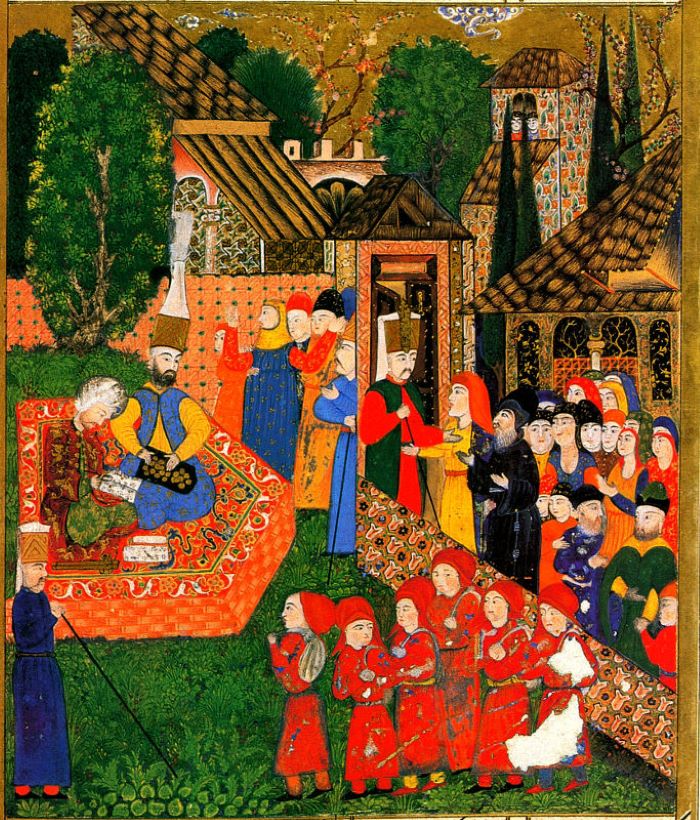
Read Ottoman Empire Article Khan Academy
Ottoman Empire Alchetron The Free Social Encyclopedia
Jews In The Ottoman Empire During Wwi How The Germans Saved The Jews Grin
Renaissance For Kids Ottoman Empire
Ottoman Empire Alchetron The Free Social Encyclopedia
Was The Ottoman Empire Very Diverse Religiously Quora

What Was The Ottoman Decline Thesis And Why Has It Been Largely Discarded By Historians Did The Empire Actually Begin A Steady Decline After 1600 Quora
Why Is Eastern Europe Mostly Christian Despite The Rule Of The Muslim Ottoman Empire Quora

The Ottoman Empire And The Emergence Of Tolerance In The Dutch Republic Ballandalus
How Bad Was Life In The Ottoman Empire Quora
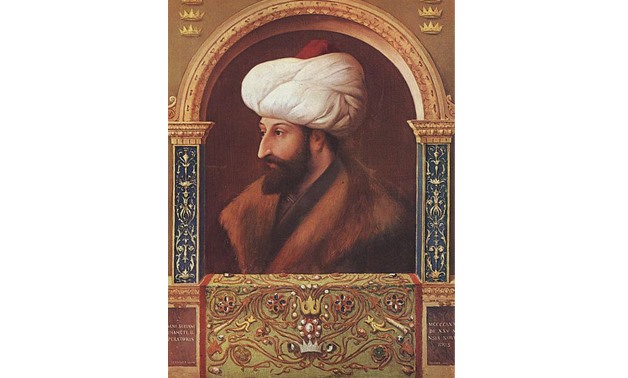
Rights Of The Non Muslim In The Ottoman Empire Egypttoday


Comments
Post a Comment